 Written by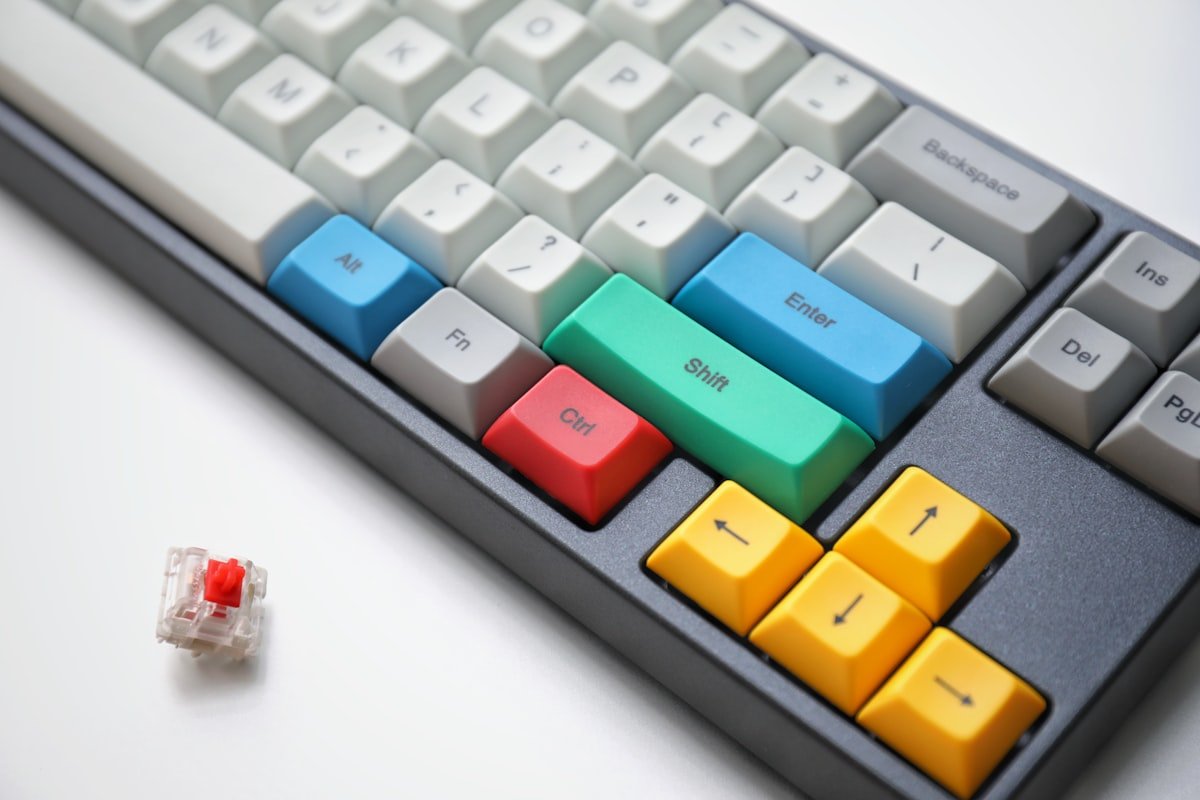
The heart of any mechanical keyboard is its switches, and they generally fall into three main categories: Linear, Tactile, and Clicky. Understanding the differences between these switch types is the first step toward building a keyboard that you will truly love.
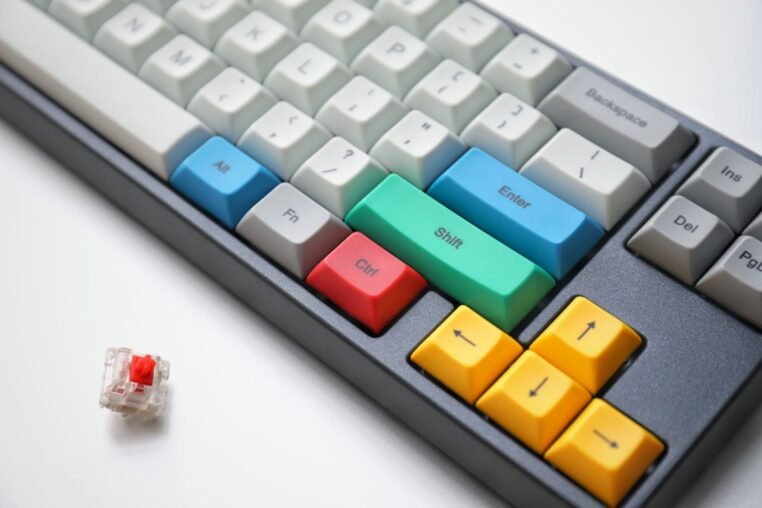
Linear switches, like the classic Cherry MX Red or the modern Gateron Oil King, offer a smooth, consistent keystroke from top to bottom without any tactile feedback. They are highly favored by gamers for their rapid actuation and by typists who prefer a seamless, uninterrupted feel. The lack of a tactile bump means that the only feedback you receive is auditory, which can be either very quiet or quite loud depending on the switch and the keyboard.
Tactile switches, such as the Holy Panda or Boba U4T, feature a distinct “bump” halfway through the keystroke, providing physical confirmation that the key has been registered. This feedback is excellent for typing accuracy, as you can feel when each keystroke is actuated without needing to bottom out the key. Many writers and programmers prefer tactile switches for this reason.
Clicky switches, like the Cherry MX Blue or Kailh Box Jade, add an audible “click” sound to the tactile bump, offering both physical and auditory feedback. While satisfying to type on, clicky switches are often too loud for shared office environments and can be a source of friction with coworkers or family members. The choice ultimately comes down to personal preference and your specific use case.